The sea sustains our modern world. Our trade, energy and communications depend on the infrastructure that crosses it. Protecting that infrastructure is part of defending our democracies.
For decades, the resources and specialised expertise required to build and operate submarines kept underwater warfare largely the preserve of established naval powers. Ukraine has demonstrated the capacity to contest the sea without a powerful conventional fleet. The disruption in the Strait of Hormuz has exposed the vulnerability of vital maritime routes. Offensive surface and underwater drones are giving state and non-state actors new means to strike at sea. The infrastructure on which our nations depend is increasingly exposed.
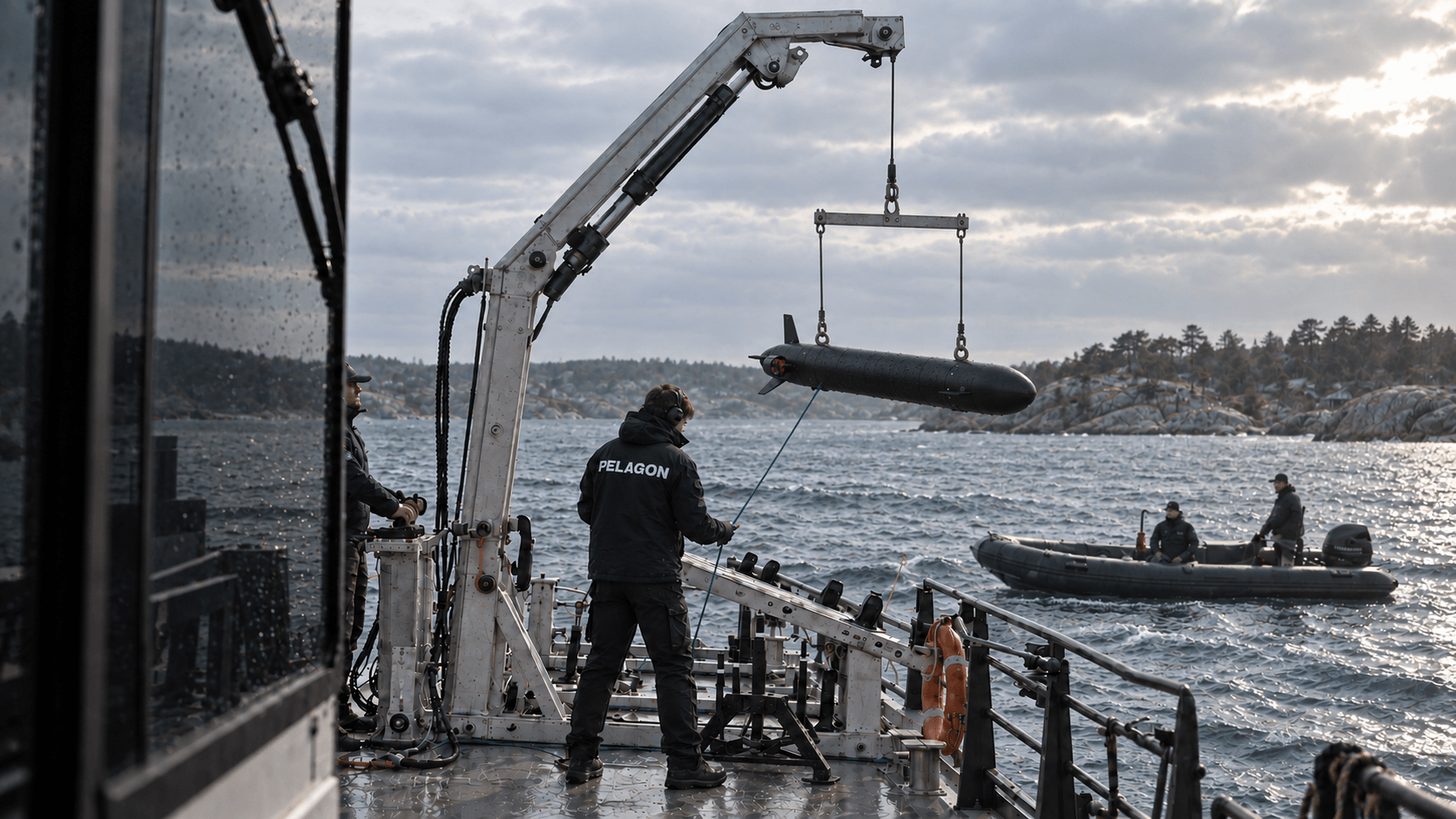
Navies and operators of vital infrastructure need autonomous protection that can scale across dispersed sites and remain economically viable. They need the means to detect threats and, crucially, respond. Pelagon exists to protect our seas.
This mission brought together a naval officer and an AI researcher.
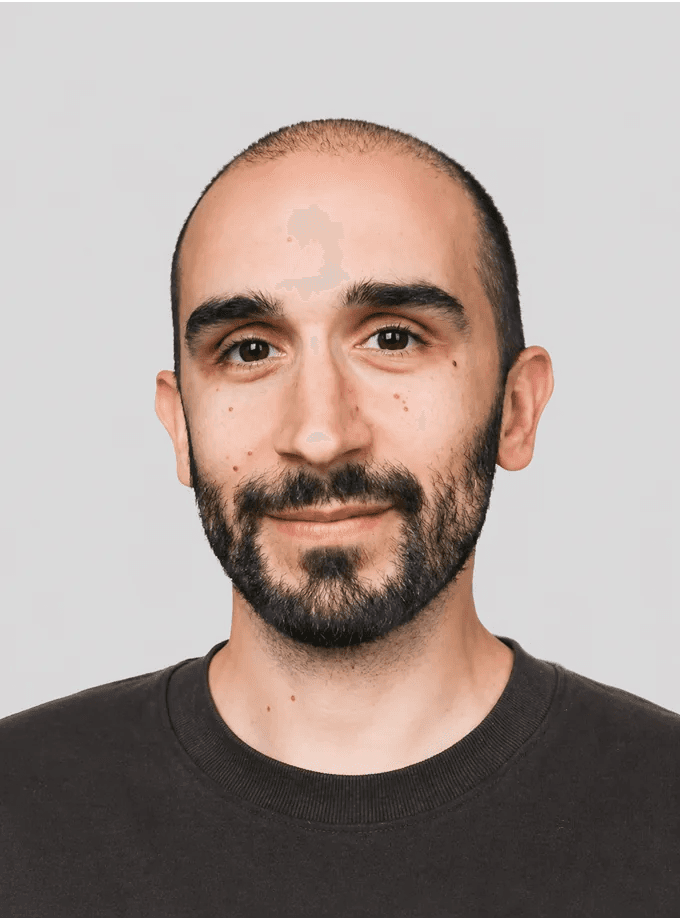
Gauthier Bouxin served eight years in the French Navy. He operated in the South China Sea, Bab el-Mandeb and the Red Sea, and protected merchant vessels facing drone and missile attacks.
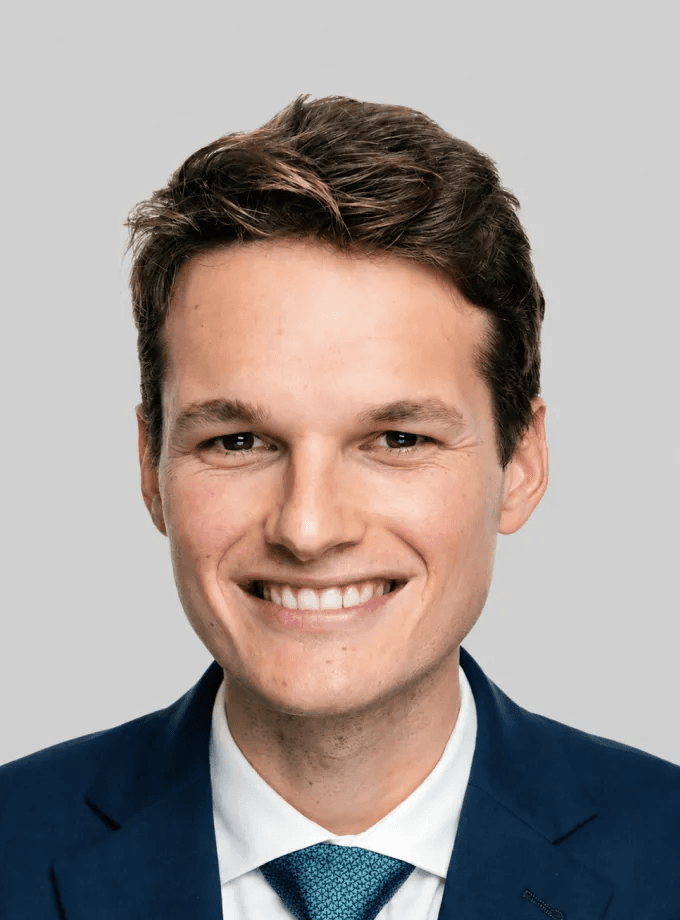
Aymeric de Pontbriand is an AI researcher who spent a decade bringing artificial intelligence into the physical world, long before “physical AI” became a widely used term. He founded Scortex and deployed AI inspection systems across more than 100 factories on three continents. Working at the heart of manufacturing made him acutely aware of our dependence on global supply chains and their vulnerability to hostile actors. That experience grounds Pelagon’s approach to turning advances in AI into reliable systems that can be manufactured, deployed and maintained at scale.
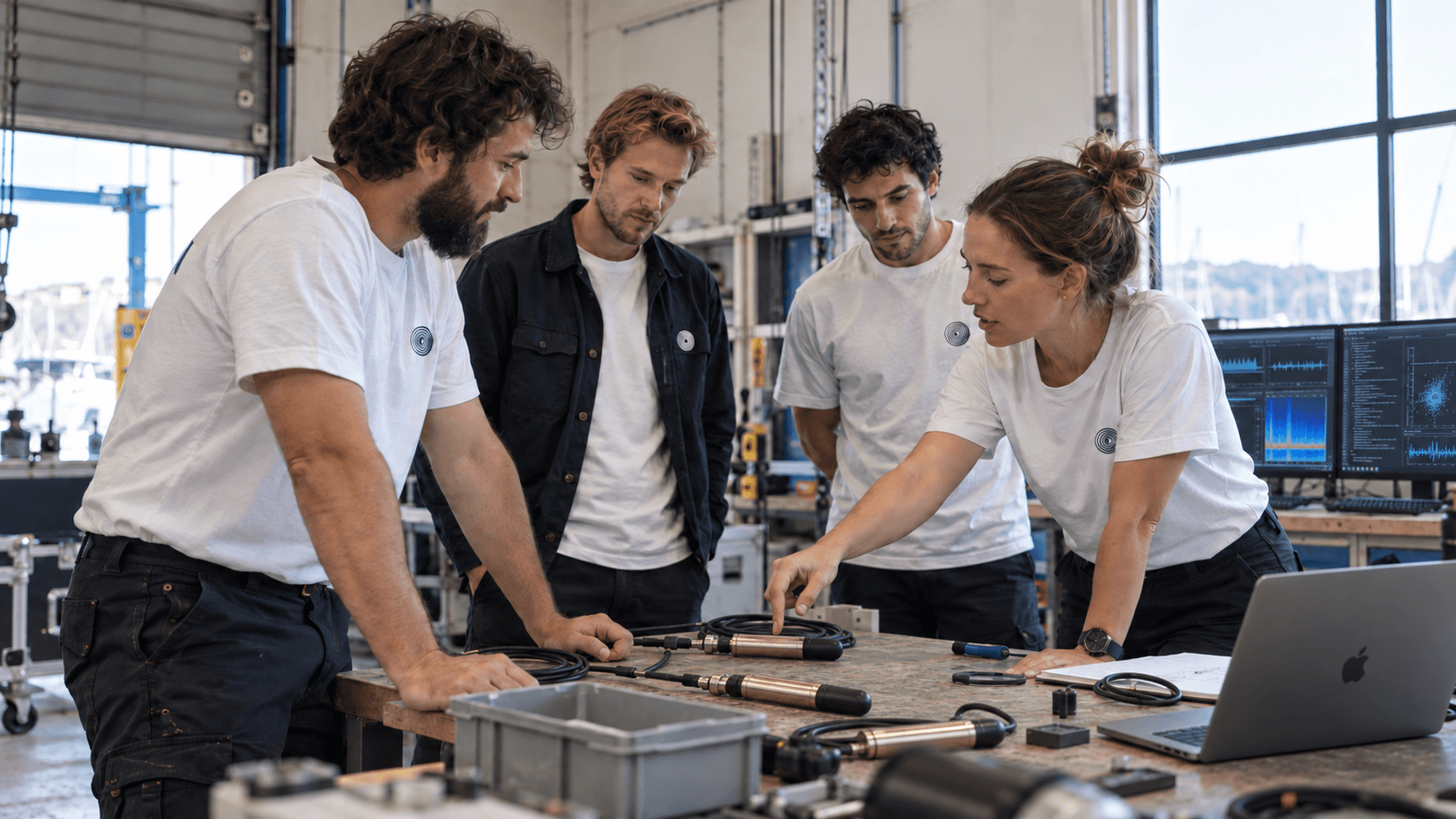
Europe has a long history of excellence in naval engineering and underwater acoustics. We founded Pelagon to combine that expertise with physical AI and modern manufacturing, bringing autonomous systems into operational service to protect our nations.
Defending our seas requires the capacity to develop, produce and adapt at the pace of the threat. Systems must be designed for manufacture from the outset. Development and production cycles must be shorter, with operational experience informing each iteration. Scientific rigour, rigorous testing and industrial discipline are essential to that effort.
We are building Pelagon around this approach: connecting AI research, naval engineering and manufacturing with the experience of those who serve at sea. Our ambition is to shorten the path from scientific advance to fielded capability, and make autonomous protection viable across the maritime infrastructure our nations depend on.
Maritime interdiction is our starting point. Our mission is to protect the seas on which our economies, societies and democracies depend.